
 [
[

-
内容大纲
本书深刻把握智库科学发展的总体趋势,总结智库研究的共性特征和存在的突出问题,从外循环、内循环、“十个关键问题”和方法集工具箱四个层次构建智库双螺旋法理论体系,重点围绕智库问题的解析、智库问题牵引下的情景分析、智库问题研究的不确定性分析、智库问题研究的政策模拟分析、智库研究的循环迭代、DIIS与MIPS的耦合关系、智库研究的专家组织与管理、人机结合的智库问题研究支持系统、客观分析与主观判断的结合、智库产品质量管理等方面展开文理融合、理实融通的论述,标志着智库理论研究已从智库研究范式走向智库理论方法并正在走向智库科学体系。
本书可为政府部门、科研机构、高等院校、企业等从事决策咨询研究、战略研究、政策研究、智库理论方法研究的相关人员和对智库感兴趣的广大读者提供重要参考。 -
作者介绍
潘教峰,现任中国科学院科技战略咨询研究院院长,研究员,博士生导师,中国发展战略学研究会理事长,中国科学技术法学会副会长。中国科技评估与成果管理研究会副理事长,全国科技评估标准化技术委员会副主任委员。国务院政府特殊津贴专家,全国政协参政议政人才库特聘专家。联合国教科文组织国际科学和技术战略研究与培训中心(CISTRAT)理事。主要研究方向为科技战略、创新政策、智库科学与工程。先后主持60余项国家级决策咨询、政策研究、战略规划课题。主笔学术文章、研究报告和政策建议200余篇,合著、主编专著10余部。 -
目录
Preface
Part Ⅰ An Overview of the Double Helix Methodology in Think Tanks
Chapter 1 Connotation and Development of Think Tanks
1.1 Connotation and Functions of Think Tanks
1.2 Construction and Development of Think Tanks
1.3 Practice of High-end Think Tank Construction in China and the Future Development
References
Chapter 2 Theory Structure of the Double Helix Methodology in Think Tanks
2.1 Main Content of the Double Helix Methodology in Think Tanks
2.2 Ten Key Issues of the Double Helix Methodology in Think Tanks
2.3 Four-layered Model of the Double Helix Methodology in Think Tanks
2.4 Summary
References
Chapter 3 Theoretical Value and Significance of the Double Helix Methodology in Think Tanks
3.1 Promoting the Six Transitions in Think Tank Research
3.2 Building an Academic Foundation for Think Tank Research
3.3 Providing Input and Directions for the Construction of the Think Tank Discipline
3.4 Summary
References
Part Ⅱ The Key Issues of the Double Helix Methodology in Think Tanks
Chapter 4 Decomposition of Think Tank Problems
4.1 Defining the Problem
4.2 Describing the Problem
4.3 Constructing the Framework
4.4 Formation of the Sub-problem Set
4.5 Case Study
4.6 Summary
References
Chapter 5 Scenario Analysis of Think Tank Problems
5.1 The Importance of Scenario Analysis in the Study of Think Tank Issues
5.2 The Role of Scenario Analysis in Think Tank Research
5.3 Key Elements of Scenario Analysis and Its Methods
5.4 Processes of Scenario Analysis and Its Functions in the DIIS Framework
5.5 The Role of Scenario Analysis in the Realization of MIPS Objectives
5.6 Summary
References
Chapter 6 Uncertainty Analysis in Think Tank Problem Study
6.1 The Connotation of Uncertainty
6.2 Uncertainty in Think Tank Problems and the Double Helix Methodology in Think Tanks
6.3 Uncertainty Analysis Methods for Think Tank Problems
6.4 Summary
References
Chapter 7 Policy Simulation Analysis in Think Tank Problem Research
7.1 Policy Simulation in Think Tank Problem Research
7.2 Advances in Policy Simulation for Problem Research in Think Tanks at Home and Abroad
7.3 Decomposition of Policy Simulation Process on the Basis of the DIIS Process Convergence Method and the MIPS Logic Layer Method
7.4 Representative Methods of Policy Simulation in Think Tank Problem Research
7.5 Summary
References
Chapter 8 Cyclic Iteration of Think Tank Research
8.1 Overview of the Cyclic Iteration in Think Tank Research
8.2 Triggering Situations and Stages Involved in the Cyclic Iteration of the Double Helix Methodology in Think Tanks
8.3 Cyclic Iteration Process of the Double Helix Methodology in Think Tanks
8.4 Case Study
8.5 Summary
References
Chapter 9 DIIS and MIPS Coupling
9.1 Characteristics of DIIS-MIPS Coupling
9.2 Structure of DIIS-MIPS Coupling
9.3 DIIS-MIPS Coupling in Research Practice
9.4 Summary
References
Chapter 10 Organization and Management of Think Tank Experts
10.1 The Role of Think Tank Experts in Think Tank Research
10.2 Expert Functions and Knowledge Characteristics
10.3 Expert Selection
10.4 Expert Participation
10.5 Summary
References
Chapter 11 Human-machine Research Support System in Think Tank Research
11.1 Necessity for the Construction of Decision Support System in Think Tanks
11.2 Main Types of Decision Support Systems in Think Tanks
11.3 Research Hotspots of Think Tank Decision Support Systems
11.4 Architecture of the Decision Support System in the Framework of Double Helix Methodology in Think Tanks
11.5 Summary
References
Chapter 12 Combination of Objective Analysis and Subjective Judgment
12.1 The Significance of Combining Objective Analysis and Subjective Judgment
12.2 Concept of Combining Objective Analysis and Subjective Judgment
12.3 Principles, Criteria and Methods of Combining Objective Analysis and Subjective Judgment
12.4 The Application of Combined Objective Analysis and Subjective Judgment
12.5 The Progress of Combining Objective Analysis and Subjective Judgment in Different Domain Perspectives
12.6 Summary
References
Chapter 13 Product Quality Management
13.1 Characteristics and Classification of Think Tank Products
13.2 Quality Requirements for Think Tank Products
13.3 Quality Management of Think Tank Products
13.4 Summary
References
同类热销排行榜
- 向着光亮那方/谁的青春不迷茫系列16.8
- 你所谓的稳定不过是在浪费生命15.2
- 全球通史(从史前史到21世纪第7版修订版下)/培文书系21.6
- 答案之书(精)15.2
- 八万四千问18
- 万历十五年/黄仁宇作品系列10.4
- 耶路撒冷三千年(精)31.2
- 中国大历史/黄仁宇作品系列11.2
- 梦的解析15.92
- 鱼羊野史(第6卷11-12月晓松说历史上的今天)18
推荐书目
-

孩子你慢慢来/人生三书 华人世界率性犀利的一枝笔,龙应台独家授权《孩子你慢慢来》20周年经典新版。她的《...
-
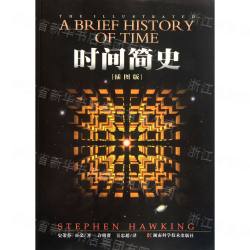
时间简史(插图版) 相对论、黑洞、弯曲空间……这些词给我们的感觉是艰深、晦涩、难以理解而且与我们的...
-

本质(精) 改革开放40年,恰如一部四部曲的年代大戏。技术突变、产品迭代、产业升级、资本对接...